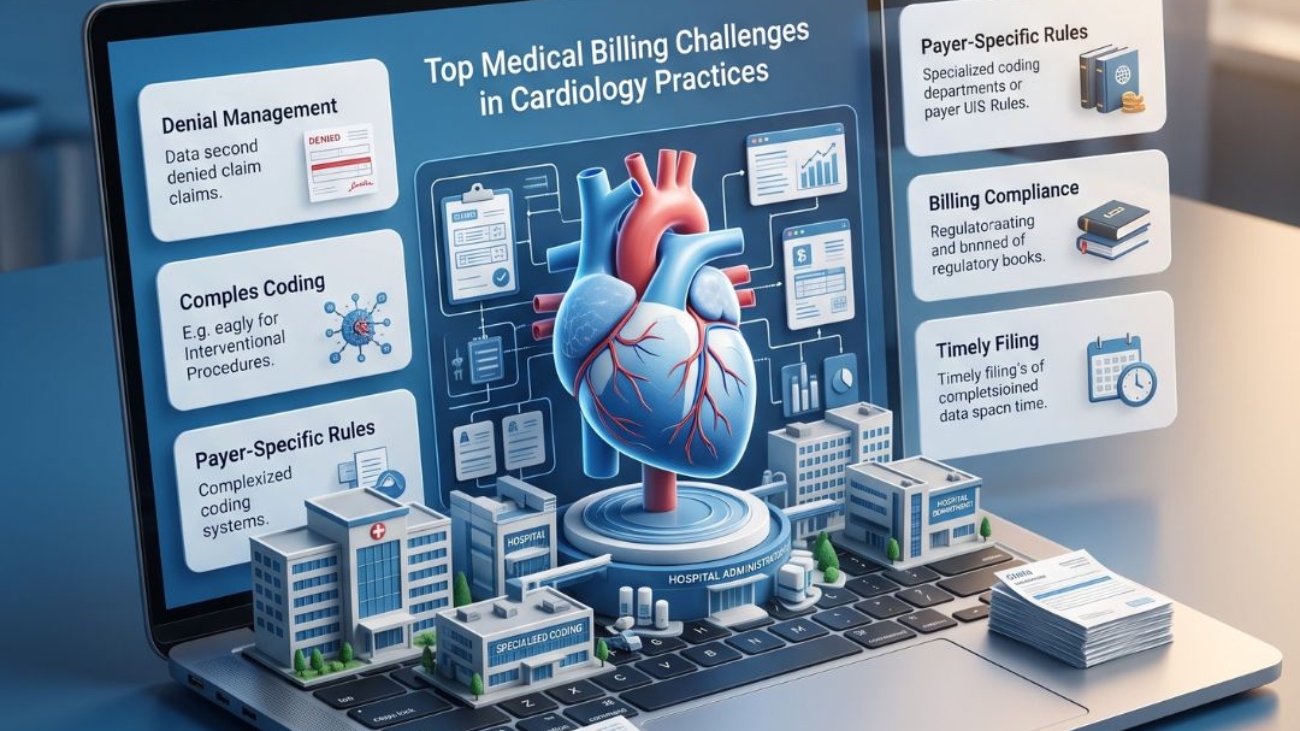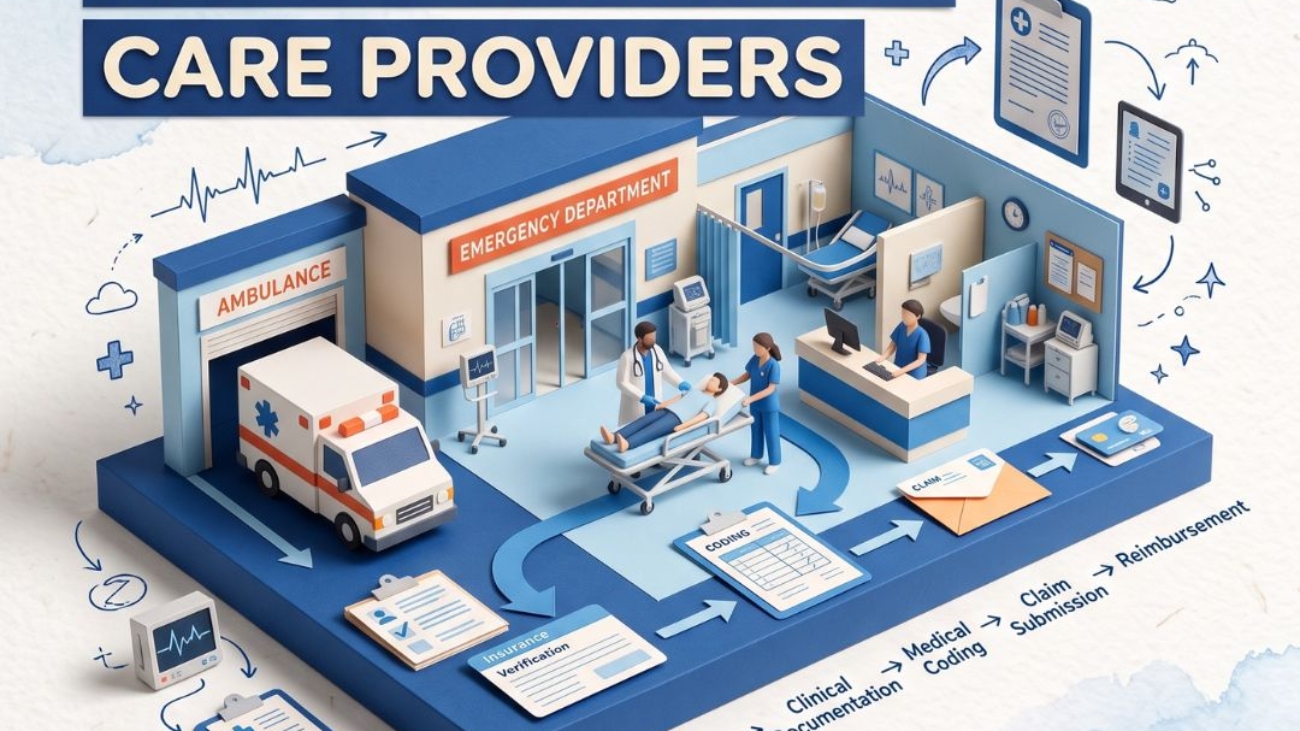
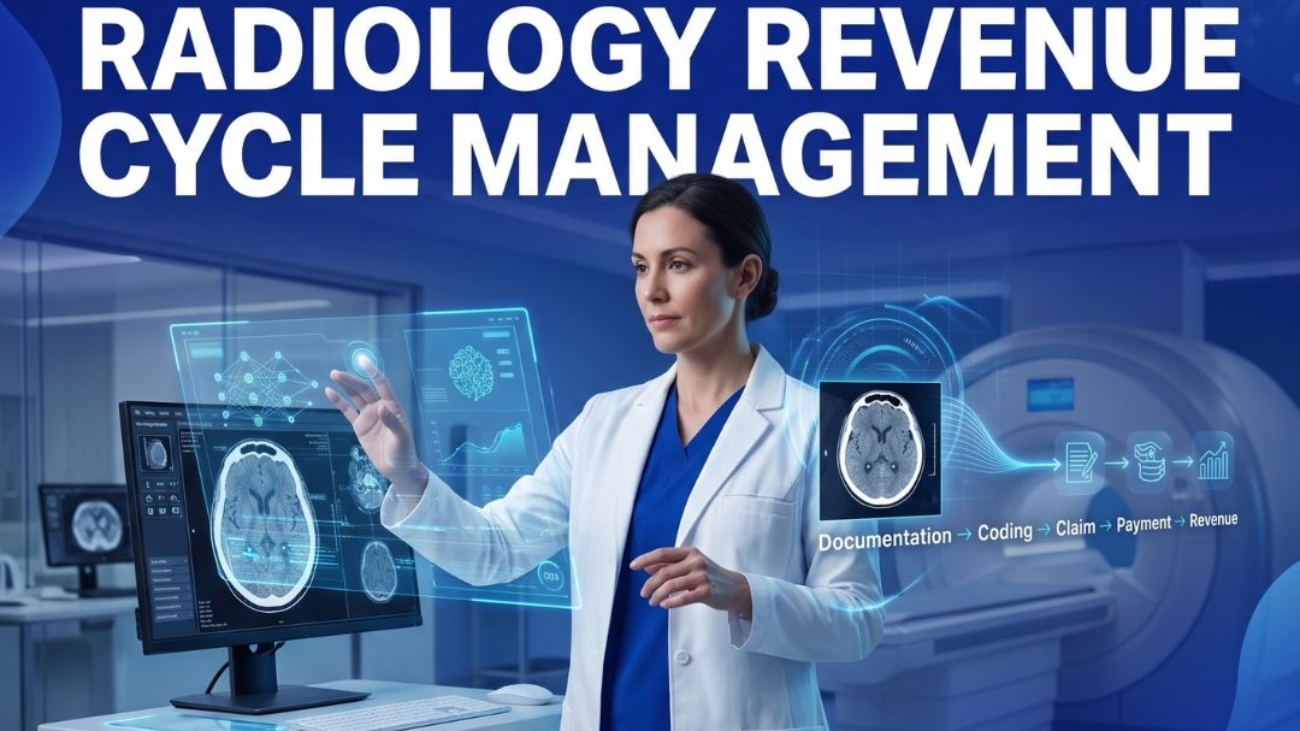
Modern healthcare management system dashboard used by healthcare professionals in a digitally advanced hospital environment.

The Evolution of Healthcare Management Systems

For years, healthcare management systems have seen a huge transformation. The healthcare industry has continuously evolved from managing paper-based patient data to implementing complex digital platforms to improve efficiency, accuracy, and patient care. With increasing patient demands, complex administrative tasks and rising operational costs, healthcare organizations are relying more on modern healthcare management systems to ensure smooth and effective healthcare delivery.

Healthcare management systems today are pivotal in managing patient data, hospital operations, billing processes, appointment scheduling, and interdepartmental communication. The evolution of these systems has led not only to more effective health care but has also changed the entire patient experience. In this blog, we will have a look at the evolution of healthcare management systems and how they continue to impact healthcare operations today. 

The Early Days of Healthcare Management

During the early years of healthcare administration, hospitals and clinics depended on manual paperwork for patient records, billing, and medical documentation. All data was stored physically and working with large amounts of data efficiently was impossible.

This traditional system often led to communication delays, misplaced records, billing errors, and longer patient wait times. Healthcare providers were spending too much time on administrative tasks rather than patient care. However, the expansion of the healthcare industry revealed the shortcomings of manual systems and increased the demand for more structured and effective management solutions. 

The Introduction of Digital Record Systems

The advent of computers heralded the beginning of the digital revolution in health care management. Hospitals began to use simple software systems to put patient records, billing information, and appointment scheduling into digital form.

Electronic Health Records (EHR) and Electronic Medical Records (EMR) are among the most significant developments in the healthcare technology arena. They allowed healthcare providers to access patient information quickly and securely, enhancing communication among doctors, nurses, and administrative staff.

The digital record systems reduced the paper work, made the documentation more accurate and reduced the chances of losing important patient information. “This was a huge improvement for the efficiency of operations and management of patient care.” 

The Rise of Integrated Healthcare Management Systems

Healthcare organizations started implementing integrated healthcare management systems, which consolidated several functions into a single platform, as technology developed. Patient registration, billing, medication administration, laboratory reporting, inventory management, and staff scheduling were all made easier by these technologies.

Workflow coordination across various departments in hospitals and clinics was enhanced via integrated systems. Healthcare practitioners were able to improve overall treatment quality and operational performance by making quicker and more informed decisions because to real-time data availability.

In order to help healthcare providers better monitor performance, patient trends, and operational efficiency, healthcare management systems have also begun to incorporate analytics and reporting tools. 

Cloud-Based Healthcare Management Solutions

Another significant advancement in healthcare management systems was brought forth by cloud technology. Cloud-based solutions improved flexibility and collaboration by enabling healthcare businesses to safely store and retrieve data from any location.

Hospitals and clinics no longer need costly physical servers or complicated IT infrastructure thanks to cloud-based healthcare technologies. Remote, secure access to patient records would enhance communication and care continuity for medical personnel.

Additionally, cloud technology improved system scalability, cybersecurity, and data backup, making healthcare administration more dependable and effective for businesses of all sizes. 

The Impact of Artificial Intelligence and Automation

Healthcare management systems are currently undergoing significant changes due to automation and artificial intelligence (AI). AI-powered solutions enhance clinical decision-making, evaluate patient data, automate administrative activities, and forecast healthcare trends.

Automation has reduced human labor and operational delays by streamlining patient follow-ups, billing, insurance claim processing, and appointment scheduling. Healthcare firms may find inefficiencies, allocate resources more effectively, and improve patient outcomes with the aid of AI-driven data.

Healthcare professionals are using chatbots, virtual assistants, and predictive healthcare systems more frequently to provide quicker and more individualized care. 

Telemedicine and Remote Healthcare Management

Healthcare management systems now have even more capabilities thanks to the expansion of telemedicine. Digital prescriptions, online appointment scheduling, remote patient monitoring, and virtual consultations are all supported by contemporary technologies.

Telemedicine technologies, which enable patients to safely get medical consultations from home, proved particularly crucial during global health emergencies. These days, integrated healthcare management systems are essential for establishing safe online connections between physicians and patients.

Access to healthcare has been enhanced by remote healthcare management, particularly for patients who reside in underserved or rural locations. 

Benefits of Modern Healthcare Management Systems

Both patients and healthcare organizations can benefit greatly from modern healthcare management systems. They eliminate medical errors, increase operational efficiency, cut down on paperwork, and improve patient experiences.

In addition to improving data security and regulatory compliance, healthcare providers may now more efficiently handle appointments, billing, patient information, and communication. Additionally, faster treatments, simpler access to medical information, and better healthcare coordination are advantageous to patients.

Healthcare organizations are able to provide more intelligent, quicker, and patient-centered treatment because to these systems’ ongoing evolution with cutting-edge technologies. 

Conclusion 

The healthcare sector has radically changed as a result of the development of healthcare management systems. Healthcare management systems have greatly increased operational effectiveness, patient care, and healthcare accessibility from manual paperwork to intelligent digital platforms driven by AI and cloud technologies.

Healthcare firms will depend more and more on intelligent management systems to manage intricate operations and satisfy rising patient expectations as technology develops. Innovation, automation, and data-driven decision-making that benefits patients and healthcare providers are key components of the future of healthcare administration. 

FAQs

1. What is a healthcare management system?

A healthcare management system is a digital platform used to manage patient records, billing, appointments, hospital operations, and healthcare workflows.

2. How have healthcare management systems evolved?

They have evolved from paper-based record systems to advanced digital platforms using cloud computing, AI, automation, and telemedicine technologies.

3. What are the benefits of healthcare management systems?

They improve efficiency, reduce errors, enhance patient care, streamline operations, and support better healthcare decision-making.

4. How does AI improve healthcare management systems?

AI helps automate tasks, analyze healthcare data, improve scheduling, support clinical decisions, and enhance operational efficiency.

5. Why are cloud-based healthcare systems important?

Cloud-based systems provide secure remote access to healthcare data, improve collaboration, reduce infrastructure costs, and enhance data security.

Healthcare professionals using digital systems and optimized workflows to improve hospital operations and patient care.

The Role of Process Optimization in Healthcare Success

Today, healthcare organizations are under increasing pressure to deliver quality patient care while controlling rising operational costs and administrative challenges. In such a demanding environment, optimizing the processes has become one of the most important strategies to ensure long-term success in healthcare. In healthcare, process optimization means doing things better by streamlining workflows, eliminating wasted steps, reducing wait times, and using resources more efficiently to improve overall efficiency.

Optimized healthcare processes help hospitals and clinics to provide faster services, improve patient satisfaction, reduce errors and increase staff productivity. Streamlined processes benefit all aspects of healthcare operations, from appointment scheduling and patient registration to billing and treatment coordination. In this blog, we will discuss the importance of process optimization in the success of healthcare and why it is a must in today’s healthcare industry. 

Improving Operational Efficiency

One of the greatest benefits of process optimization is that it makes operations more efficient. Healthcare facilities are busy places, with thousands of daily activities like admitting patients, diagnostics, treatment planning, discharge management, and more. Lack of efficient systems can lead to delays and confusion, which can impact staff performance and patient care.

Optimized processes help healthcare providers streamline workflows and cut down on repetitive tasks. With automation tools, digital record systems and integrated communication platforms, healthcare staff can perform tasks more quickly and accurately. This reduces the patient waiting time, improves the inter-departmental co-ordination, thus leading to the efficient healthcare delivery. 

Enhancing Patient Care and Experience

Patient experience is a key area of focus in health care. Extended wait times, administrative errors and communication gaps can negatively impact patient satisfaction. Process optimization improves the patient journey by delivering healthcare services more efficiently and consistently.

When hospitals improve appointment scheduling, patient registration and access to medical records, patients are seen more quickly and better served. Optimized workflows also means healthcare professionals have more time to spend on patient care and less time on administrative tasks. This makes patients feel more valued, better informed and more satisfied with their healthcare experience. 

Reducing Operational Costs

Healthcare organizations are constantly seeking ways to reduce costs without compromising the quality of care. It allows to optimize the processes and thus reduce unnecessary costs through better use of resources and less waste.

Low operational costs – Effective inventory management, improved staff scheduling and automated billing systems can help to significantly reduce operational costs. Hospitals can often streamline their workflows to reduce delays, paperwork and administrative burdens. This results in better financial management and enables healthcare providers to invest more towards enhancing patient services and medical technologies. 

Reducing Medical Errors and Improving Accuracy

Precision is key in health care.” Mistakes in patient records, billing, medication management, or communication can have dire consequences. Process optimization improves accuracy by establishing standards for procedures and limiting manual work.

Digital healthcare systems like Electronic Health Records (EHR) help to keep patient information up to date and in real time. Automation also helps to reduce data entry errors and allows for better coordination between physicians, nurses and administrative staff. Healthcare organizations can improve process accuracy to deliver safer, more reliable patient care. 

Supporting Better Decision-Making

Data is the lifeblood of modern healthcare organisations and they rely on it heavily to make informed decisions. Process optimization helps healthcare providers to collect, analyze and use operational data more effectively.

Optimized systems allow healthcare managers to monitor patient flow, staff performance, treatment outcomes and operational efficiency in real-time. This data can be used to spot bottlenecks and improve resource planning and support better strategic decisions. Reporting tools and predictive analytics also enable healthcare facilities to prepare for future challenges and improve overall performance. 

Increasing Staff Productivity and Satisfaction

Medical professionals are often working under stress and heavy workloads. Staff members can become frustrated and burnt out on inefficient systems and repetitive admin work.

Routine task automation and simplified communication processes lead to the reduction of unnecessary workloads through process optimization. When healthcare staff are working more efficiently they are less stressed and more satisfied with their jobs. Better workflow also promotes better teamwork and collaboration, resulting in a more productive healthcare environment. 

Adapting to Digital Transformation in Healthcare

The healthcare industry is undergoing a rapid digital transformation, and process optimization is a crucial part of this transition. Healthcare organizations are transforming their operations with technologies such as telemedicine, AI-powered systems, cloud-based healthcare platforms, and automated billing solutions.

Healthcare providers can improve efficiency, enhance patient engagement and remain competitive in a fast-changing industry by optimizing processes as well as digital transformation. Those healthcare facilities that implement new technologies and process improvements will be better positioned to meet patient expectations and industry demands. 

Conclusion 

Process optimization is a requirement for success in the healthcare industry. Optimizing healthcare processes leads to greater operational efficiency, cost reductions, improved patient care and supports digital transformation, making the healthcare system stronger and more sustainable.

Healthcare organizations that focus on continuous process improvement are better able to deliver better patient experiences, improve staff productivity and maintain financial stability in an increasingly competitive environment. As healthcare continues to evolve, process optimization will be key to providing high quality, efficient, patient-centered care. 

FAQs

1. What is process optimization in healthcare?

Process optimization in healthcare involves improving workflows and operational systems to increase efficiency, reduce costs, and enhance patient care.

2. How does process optimization improve patient experience?

It reduces waiting times, improves communication, streamlines services, and ensures patients receive faster and more efficient care.

3. Why is process optimization important in hospitals?

It helps hospitals improve efficiency, reduce operational expenses, minimize errors, and deliver better healthcare services.

4. Can technology help with healthcare process optimization?

Yes, technologies like Electronic Health Records (EHR), automation tools, AI systems, and telemedicine platforms significantly improve healthcare workflows.

5. How does process optimization reduce healthcare costs?

It minimizes waste, improves resource management, reduces paperwork, and automates repetitive tasks, leading to lower operational expenses.

healthcare manager reviewing financial reports and implementing cost optimization strategies

6 Cost Optimization Strategies for Modern Healthcare Businesses

Providing high-quality care while controlling costs is a constant issue for healthcare organizations. Cost minimization has become essential for healthcare firms to stay financially viable due to growing costs for personnel, equipment, technology, and regulatory compliance. Healthcare companies can cut waste, improve patient care, and streamline operations without compromising profits by putting into practice efficient cost optimization techniques. 

1. Embrace Technology and Automation

Using technology and automation is one of the best methods to reduce healthcare expenditures. Both labor costs and the likelihood of human mistake can be greatly decreased by automating typical administrative functions including scheduling, billing, patient intake, and inventory management. In order to improve patient data management and communication, healthcare institutions can also invest in electronic health records (EHR) and health information management systems.

Automated billing systems, for example, can improve cash flow and reduce the need for follow-up correspondence with patients or insurance providers by removing errors and expediting the payment process. Similarly, by reducing scheduling conflicts and cancellations, computerized appointment scheduling improves patient satisfaction while reducing administrative workload. 

How It Helps:

  • Reduces labor costs by automating repetitive tasks.
  • Improves efficiency and accuracy in administrative processes.
  • Enhances patient experience through better service delivery.

2. Optimize Staffing and Resource Allocation

A large amount of healthcare spending goes toward labor costs. Reducing expenses can be directly impacted by optimizing staffing levels and making sure resources are distributed effectively. Operational inefficiencies brought on by either overstaffing or understaffing can have an impact on both financial performance and patient care.

To optimize staff schedules, healthcare businesses should put in place workforce management systems that examine patient volume and demand trends. Healthcare providers can more effectively match staffing levels to patient demands by utilizing predictive analytics, guaranteeing that the appropriate resources are available at the appropriate times. 

How It Helps:

  • Reduces unnecessary labor costs and overtime.
  • Ensures that the right level of staff is available for peak times, improving both cost efficiency and patient care.
  • Helps in reducing burnout and improving employee satisfaction through manageable workloads.

3. Enhance Supply Chain Management

Another major expense for healthcare businesses is the cost of the supply chain, particularly for consumables, pharmaceuticals, and medical equipment. Inadequate inventory control can result in stockouts or overstocking, both of which can cause needless expenses or care delays.

Healthcare providers can avoid overstocking by putting in place an inventory management system that tracks supplies and automates restocking. In order to take advantage of bulk purchasing discounts and lower the total cost of medical supplies and equipment, healthcare companies might also investigate group purchasing organizations (GPOs). 

How It Helps:

  • Prevents overstocking or stockouts of essential supplies.
  • Reduces waste and expired inventory costs.
  • Maximizes cost savings through group purchasing power.

4. Focus on Preventive Care

In addition to helping patients, the preventative care concept lowers long-term expenses for healthcare organizations. Healthcare professionals can lower the need for costly treatments, hospital stays, and emergency care by concentrating on avoiding chronic diseases and managing pre-existing problems through early intervention.

Healthcare companies can lower healthcare costs for both patients and providers by funding initiatives that support vaccines, health screenings, and the management of chronic diseases. Additionally, successful preventative care initiatives can enhance patient outcomes, increasing patient retention and satisfaction. 

How It Helps:

  • Reduces the need for costly emergency care and hospitalizations.
  • Improves patient outcomes, leading to long-term savings.
  • Enhances patient satisfaction and loyalty by promoting overall health and wellness.

5. Leverage Data Analytics for Decision-Making

Finding inefficiencies and potential areas for cost savings is made possible by data analytics. Healthcare businesses may make better judgments about where to deploy resources and where to save expenses by using data to examine patient outcomes, operational procedures, and financial performance.

Predictive analytics, for example, can be used by healthcare organizations to anticipate demand, spot any bottlenecks, and improve staffing and scheduling. Healthcare practitioners can also monitor key performance indicators (KPIs) like patient satisfaction, treatment results, and operational effectiveness with the aid of data analytics. 

How It Helps:

  • Identifies areas for improvement and cost-saving opportunities.
  • Provides insights into operational inefficiencies, allowing for more effective decision-making.
  • Enhances financial performance by optimizing resource utilization.

6. Negotiate with Insurance Providers

Healthcare institutions rely heavily on insurance reimbursements, yet reimbursement rules and rates might differ greatly. Healthcare companies can increase their cash flow and cut expenses by negotiating advantageous reimbursement rates with insurance companies.

Healthcare companies can make sure they are getting paid fairly and on time for the services they provide by collaborating with knowledgeable negotiators or consultants. Reducing the likelihood of claim denials, which might postpone payouts, can also be achieved by streamlining the claims procedure and enhancing contact with insurance companies. 

How It Helps:

  • Ensures timely and fair payments from insurance providers.
  • Reduces claim denials and the time spent on reprocessing claims.
  • Improves cash flow and financial stability.

Conclusion

For healthcare companies to be financially sustainable, cost efficiency is essential. Healthcare businesses can lower operating costs without compromising the quality of treatment by utilizing technology, enhancing supply chain management, optimizing workforce, emphasizing preventive care, applying data analytics, and negotiating better insurance rates. Putting these tactics into practice will boost overall organizational effectiveness, patient satisfaction, and profitability.