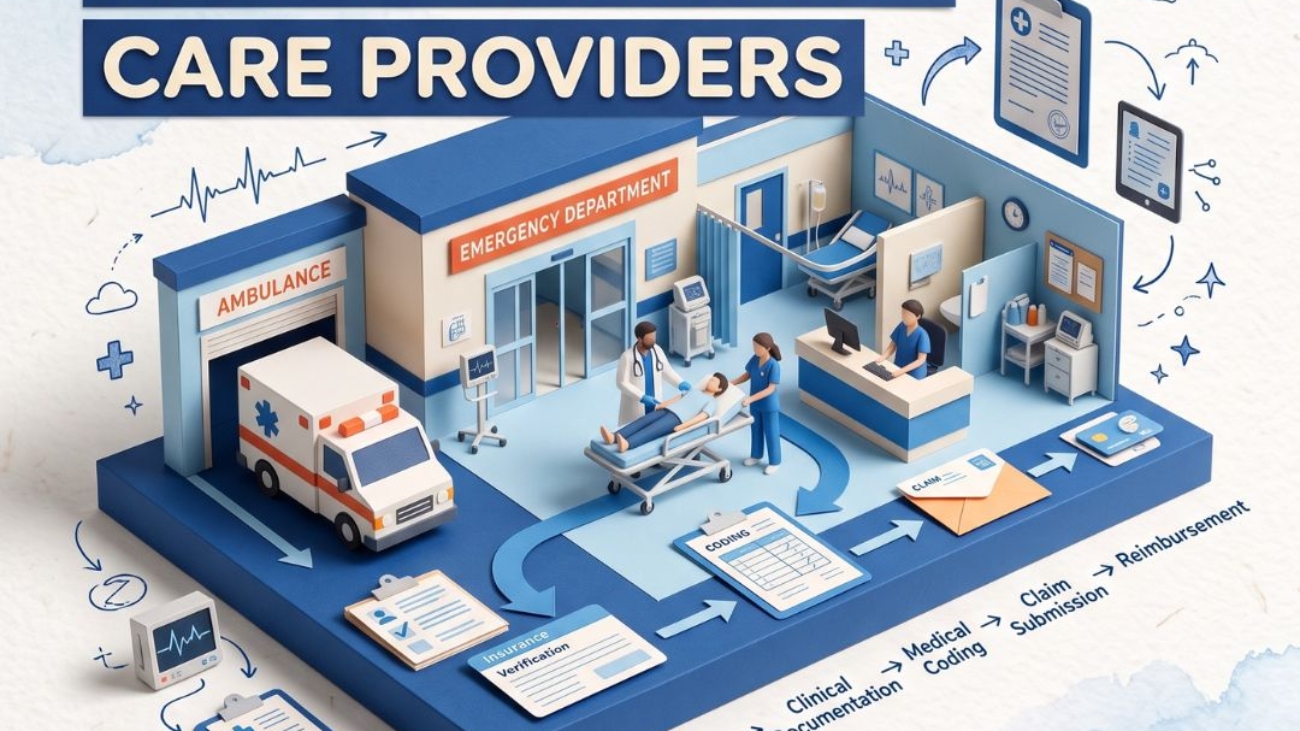

While patient care is the primary focus of emergency departments’ fast-paced operations, long-term sustainability also depends on maintaining a strong financial flow. Revenue cycle issues might be brought on by high patient volumes, complicated treatments, insurance issues, and pressing billing needs. Financial performance may be adversely affected by delayed reimbursements, denied claims, and problems with documentation. Emergency departments can enhance payment collection, minimize financial delays, and sustain a steady cash flow by putting into practice efficient revenue cycle tactics.
Improve Patient Registration Accuracy
A robust emergency department revenue cycle is built on accurate patient registration. Claim denials and payment delays may arise from inaccurate patient information, missing insurance details, or inadequate demographic data. Establishing effective registration procedures aids in gathering precise data at the start of the patient journey. Increased data accuracy lowers billing errors and increases the likelihood that a claim will be processed successfully.
Strengthen Insurance Verification Processes
Patients with various health plans and coverage criteria are frequently treated in emergency rooms. Before filing claims, confirming insurance status and benefits might assist spot possible payment problems. A robust verification procedure guaranties precise coverage information, lowers the number of denied claims, and enhances financial transparency. Automated eligibility checks can minimize manual labor and expedite the verification process even more.
Focus on Accurate Medical Coding
Precise coding is necessary for a variety of treatments, procedures, and diagnostic services that are part of emergency care. Reduced reimbursements and claim denials may result from incorrect CPT, ICD-10 codes, or modifiers. Billing accuracy is increased by ensuring correct medical coding through qualified specialists and frequent coding reviews. Emergency departments are better able to get paid for the services they perform when proper coding is used.
Reduce Claim Denials Through Proactive Management
Due to payment delays and more administrative work, claim denials have a direct impact on the cash flow of emergency departments. Inaccurate coding, insufficient paperwork, eligibility issues, and missing permission data are common causes for denial. A proactive denial management approach finds prevalent problems, fixes mistakes, and stops them from happening again. Reducing denials speeds up payments and enhances revenue recovery.
Improve Documentation Quality
For emergency department reimbursement, accurate and comprehensive documentation is necessary. Medical records must clearly support the services delivered and indicate medical necessity. Payment rejection or claim delays may arise from missing information in patient records. Enhancing documentation procedures lowers compliance-related risks and ensures claims are processed efficiently.
Optimize Accounts Receivable Management
Maintaining the financial flow of the emergency department depends heavily on efficient accounts receivable administration. Financial stability may be impacted by unpaid claims, postponed insurance payments, and outstanding liabilities. Faster revenue recovery is facilitated by prompt follow-ups, payment tracking, and routine monitoring of outstanding claims. Payment delays are decreased and collections are enhanced via an organized AR management procedure.
Use Automation and Technology Solutions
Emergency departments can increase financial performance and streamline revenue cycle processes with the use of technology. Insurance verification, claim tracking, payment posting, denial analysis, and reporting can all be supported by automated systems. Before claims are filed, AI-powered solutions can spot any billing problems. Utilizing technology increases productivity, lowers manual error rates, and improves revenue performance visibility.
Improve Prior Authorization Management
Certain procedures may require authorization, even though emergency care frequently calls for prompt treatment. Reimbursement issues may arise from delays or missing approvals. Maintaining documentation, keeping track of requirements, and avoiding needless claim difficulties are all made easier with an appropriate permission management procedure. Improved cash flow and more seamless billing processes are supported by better authorization handling.
Enhance Patient Payment Collection
Higher out-of-pocket expenses and evolving insurance policies have increased patient responsibility. By offering precise cost estimates, easy payment methods, and transparent billing information, emergency rooms can increase collections. Transparent communication enhances the payment experience and helps patients comprehend their financial obligations. Increased overall revenue is supported by improved patient payment strategies.
Monitor Revenue Cycle Performance Metrics
Emergency departments can find opportunities for improvement and financial challenges by monitoring important revenue cycle metrics. Days in accounts receivable, reimbursement turnaround time, denial percentages, and claim approval rates are all significant metrics. Regular performance analysis allows organizations to make informed decisions and improve billing efficiency. Data-driven management leads to stronger financial outcomes.
Conclusion
Accurate billing procedures, effective claim handling, robust documentation, and cutting-edge technological solutions are all necessary to improve emergency department revenue flow. Emergency departments can attain quicker reimbursements and improved financial stability by lowering denials, increasing coding accuracy, streamlining revenue cycle operations, and optimizing accounts receivable. Healthcare providers can concentrate on their main objective of providing prompt, high-quality emergency care by practicing effective cash flow management.
Frequently Asked Questions
1. Why is cash flow management important for emergency departments?
Cash flow management helps emergency departments maintain financial stability, manage operational costs, and ensure continuous delivery of quality patient care.
2. What are the main reasons for poor emergency department cash flow?
Common reasons include claim denials, coding errors, delayed reimbursements, incomplete documentation, and insurance verification issues.
3. How can emergency departments reduce claim denials?
Emergency departments can reduce denials through accurate coding, complete documentation, proper eligibility verification, and proactive denial management.
4. How does technology improve emergency department cash flow?
Technology improves cash flow by automating billing processes, tracking claims, identifying errors, and improving revenue cycle efficiency.
5. Can outsourcing RCM improve emergency department revenue?
Yes, specialized RCM services can help emergency departments improve billing accuracy, reduce denials, accelerate reimbursements, and optimize cash flow.