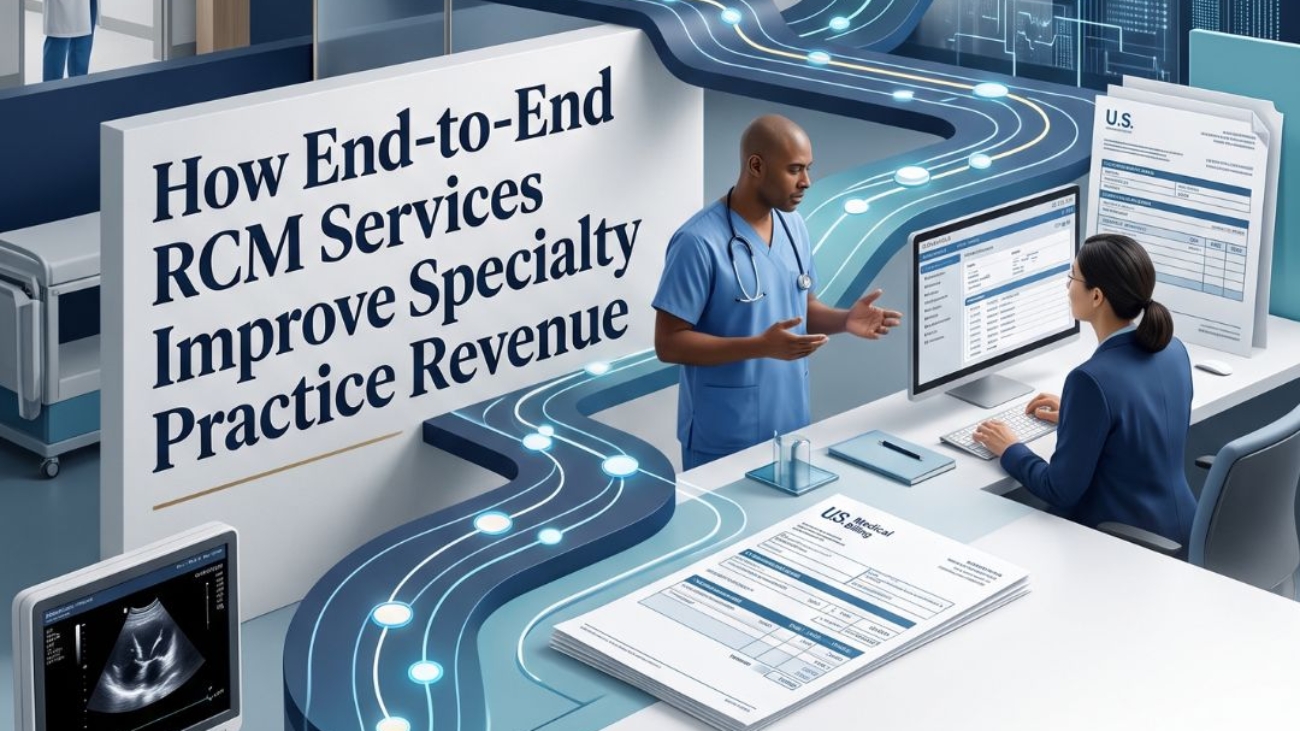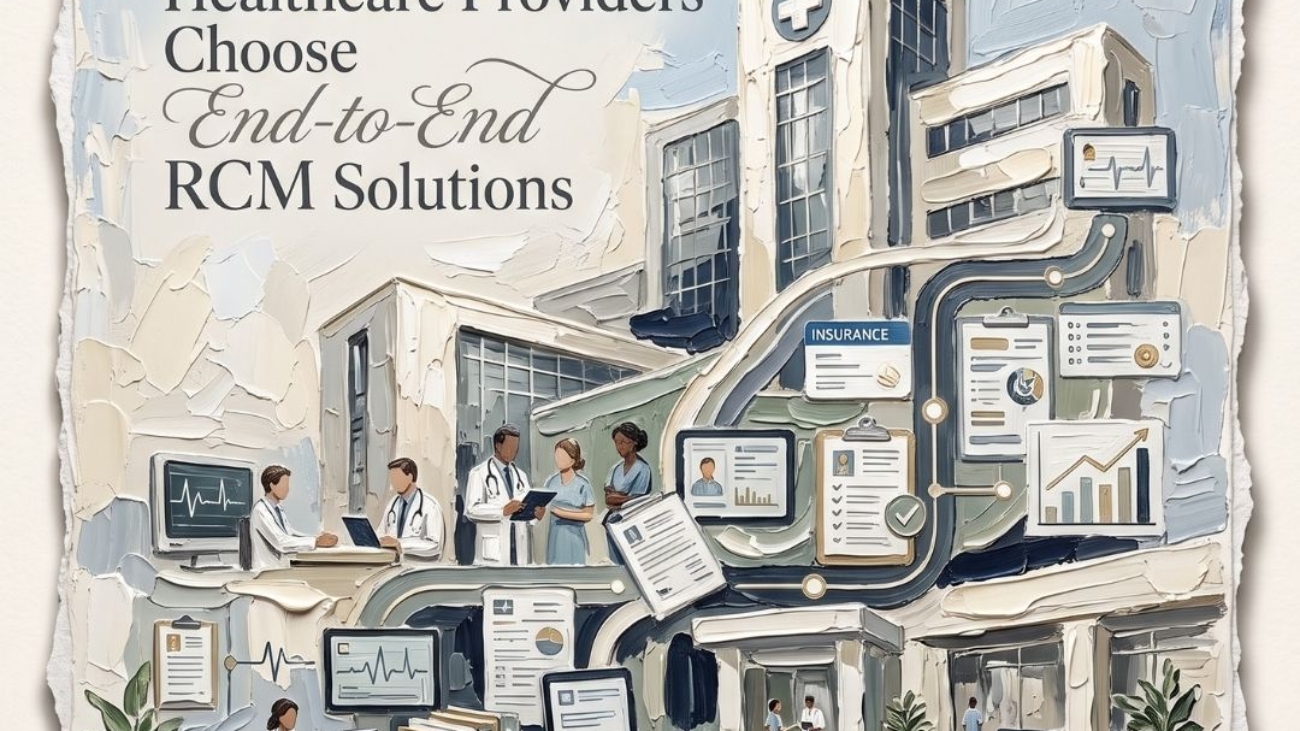
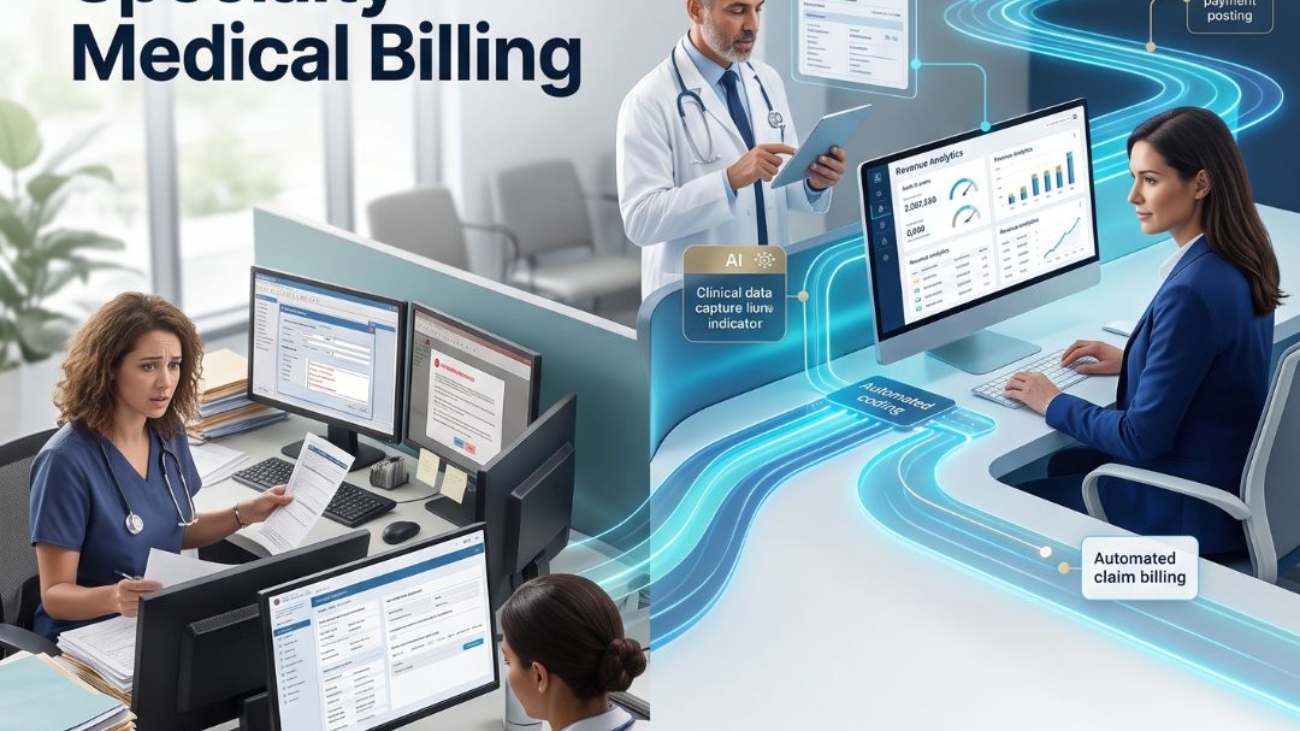
Healthcare professionals managing patient care, digital systems, and operational challenges in a modern hospital environment.

Challenges Faced by Healthcare Providers Today

Healthcare providers are confronting a host of challenges today that affect patient care, operational efficiency and financial stability. Increasing healthcare costs, staff shortages, complicated regulations, patient expectations, and digital transformation have made healthcare management more demanding than ever. To succeed, healthcare providers need to improve communication, employ smarter processes, leverage technology optimally and focus on providing high quality, patient-centered care.

Rising Operational Costs

One of the biggest challenges for healthcare providers is to manage rising operational costs. STAFF SALARIES, MEDICAL EQUIPMENT, TECHNOLOGY, INSURANCE, COMPLIANCE AND FACILITY MAINTENANCE COSTS continue to rise.

To fix this, healthcare organizations require improved budgeting, process optimization, automation, and resource planning. Reducing waste and improving workflow efficiency can help control costs without compromising the quality of patient care.

Staff Shortages and Burnout

Healthcare providers are often challenged with staff shortages and employee burnout. High-pressure environments can affect productivity and patient experience for doctors, nurses, and administrative staff.

Healthcare organizations can accomplish this by improving workforce planning, using digital tools to reduce manual workload, and creating supportive work environments. Regular training, fair scheduling and employee wellness programs can also help improve staff retention.

Patient Expectations and Experience

Today’s patients want faster appointments, clear communication, digital access and transparent billing. If healthcare providers fail to meet these expectations, patient satisfaction can be lowered.

Providers should use online appointment systems, patient portals, digital reminders and transparent billing communication to improve the patient experience. Trust and loyalty are created through a smooth patient journey.

Technology Adoption Challenges

Digital healthcare tools like EHR, telemedicine, AI and automation are becoming essential. However, many health care providers struggle to adopt these technologies due to cost, training and system integration issues.

Your digital transformation strategy can help. To improve efficiency without disrupting daily operations, providers need to select scalable technology, offer robust staff training, and implement systems in phases.

Regulatory and Compliance Pressure

Healthcare providers are heavily regulated in terms of patient privacy, billing, documentation, insurance, and safety standards. If you don’t comply you could face fines, audits and damage to your reputation.

Regular compliance training, accurate documentation, secure data systems and internal audits help to reduce risk. Keeping up with changing regulations is critical for smooth healthcare operations.

Revenue Cycle and Billing Issues

Insurance verification problems, delayed payments, claim denials, and billing errors can impact healthcare cash flow. One area that many providers still struggle with is Revenue Cycle Management.

Automation of billing systems, accurate coding practices and robust denial management processes will accelerate reimbursement. Increased transparency in patient billing also reduces payment delays.

Data Security and Cybersecurity Risks

As healthcare becomes increasingly digital, protecting patient data has become a growing concern. Cyberattacks, data breaches and ransomware threats can disrupt healthcare operations and erode patient trust.

Healthcare providers should employ strong cyber security measures, including encryption, access controls, regular backups and staff awareness training. Data protection should be a priority in modern health care management.

Maintaining Quality Patient Care

Healthcare providers face operational and financial pressures, but must continue to provide safe and effective patient care. Poor communication, delays and inefficient workflows can affect the quality of treatment.

Better coordination of care, digital records, less paperwork and a focus on patient-centered care can help preserve quality standards. Efficient systems help healthcare professionals spend more time with patients.

Conclusion

Today’s healthcare providers face complex challenges that require pragmatic, technology-driven solutions. Rising costs, staff shortages, billing issues, compliance pressure, cyber security risks and changing patient expectations all affect healthcare success. These challenges can be overcome by healthcare providers through adoption of digital tools, streamlining workflows, improving communication and focusing on patient experience to design more efficient, reliable and patient-centric healthcare systems.

FAQs

1. What are the main challenges faced by healthcare providers today?

Major challenges include rising costs, staff shortages, patient expectations, billing issues, compliance pressure, and cybersecurity risks.

2. How can healthcare providers reduce operational costs?

They can reduce costs through process optimization, automation, better resource planning, and improved workflow management.

3. Why is technology important for healthcare providers?

Technology improves patient care, reduces manual work, supports better communication, and increases operational efficiency.

4. How can healthcare providers improve patient experience?

They can improve experience through faster appointments, clear communication, patient portals, digital reminders, and transparent billing.

5. Why is cybersecurity important in healthcare?

Healthcare systems store sensitive patient data, so strong cybersecurity protects privacy, prevents breaches, and maintains patient trust.

Healthcare professionals using digital technology and modern medical systems to improve patient care and hospital operations.

Current Trends in the Healthcare Industry

The healthcare industry is changing fast due to technology, patient expectations, rising operational demands and the need for better care delivery. Current healthcare trends are all about improving patient outcomes, access, reducing costs, and increasing healthcare operations efficiency. Healthcare providers are harnessing these trends (from telemedicine to artificial intelligence and automation to patient-centered care) to deliver smarter, faster and more reliable services. 

Digital Transformation in Healthcare

One of the most important trends in healthcare is digital transformation. Hospitals and clinics are shifting from manual systems to digital platforms for patient records, appointment scheduling, billing and communications.

Through Electronic Health Records, cloud-based systems and digital dashboards, healthcare providers are able to access patient information quickly and securely. That improves inter-departmental coordination, reduces paperwork and speeds up decision making.

Growth of Telemedicine

Telemedicine has become an important part of modern health care. Now with video calls, mobile apps and online platforms, patients can consult doctors without going to the hospital physically.

This trend increases access to health care, especially for those living in remote areas or with limited schedules. It also reduces waiting time, improves convenience and helps healthcare providers to manage patient consultations more efficiently.

Artificial Intelligence in Healthcare

Artificial Intelligence is transforming healthcare by assisting doctors, hospitals and administrators to make better decisions. AI tools can help with diagnosis, reviewing medical data, predicting patient risks and automating repetitive tasks.

AI also finds use in healthcare operations for billing, claims processing, appointment reminders and patient engagement. This leads to greater accuracy, less manual work and allows healthcare organizations to work more efficiently.

Automation in Healthcare Operations

Automation helps healthcare providers reduce repetitive manual tasks. Now, appointment scheduling, patient registration, medical billing, insurance verification, follow-ups etc. can be automated.

This saves time, minimizes errors and provides healthcare staff with more time to focus on patient care. Automation boosts workflow efficiency and helps healthcare organizations cope with increasing patient volumes.

Patient-Centered Care

Healthcare is changing from provider-centric services to patient-centric care. Today’s patients want clear communication, personalized treatment, transparent billing and easy access to healthcare information.

Patient portals, mobile apps, feedback systems and digital reminders are helping in improving overall patient experience. This trend promotes transparency and helps patients engage better in their own health journey.

Remote Patient Monitoring

The use of remote patient monitoring is on the rise, particularly in the management of chronic diseases. Devices including smartwatches, wearable monitors and connected medical devices are used to track patient health in real time.

Doctors can remotely monitor vital signs, activity levels, blood pressure, glucose levels and other health indicators. This enables early intervention and prevents unnecessary hospital visits.

Data Analytics for Better Decisions

Healthcare organizations are using data analytics to improve patient care and operational efficiency. Data helps to identify patient trends, treatment outcomes, resource utilization and financial performance.

Analytics enables healthcare providers to make informed decisions, improve staffing, reduce costs and improve service quality. Data driven healthcare is rapidly becoming a requirement for long term success.

Cybersecurity and Data Protection

Protecting patient data has become a major priority as healthcare migrates to the digital realm. Hospitals and clinics store medical and financial information so cybersecurity is very important.

To avoid data breaches, healthcare providers are investing in secure systems, encryption, access control and staff training. Strong cyber security helps maintain patient trust and meet regulatory requirements.

Conclusion

The healthcare industry is undergoing rapid evolution with digital transformation, telemedicine, AI, automation, remote monitoring, and patient-centered care. These changes are allowing healthcare organizations to enhance efficiency, reduce costs and provide better patient experiences. The health care providers that adapt to these trends will be better positioned to meet future challenges and grow in the long term. 

FAQs

1. What are the current trends in healthcare?

Current trends include telemedicine, AI, digital transformation, automation, remote patient monitoring, and patient-centered care.

2. How is technology changing healthcare?

Technology improves patient care, reduces manual work, supports faster decisions, and makes healthcare services more accessible.

3. Why is telemedicine important?

Telemedicine allows patients to consult doctors remotely, improving convenience and healthcare access.

4. How does AI help healthcare providers?

AI supports diagnosis, data analysis, billing automation, patient engagement, and operational efficiency.

5. Why is cybersecurity important in healthcare?

Cybersecurity protects sensitive patient data and helps healthcare organizations maintain privacy and trust.

Top Challenges in Revenue Cycle Management

Top Challenges in Revenue Cycle Management and How to Overcome Them

Revenue Cycle Management is a critical component of healthcare operations, managing the financial process from patient registration to the collection of final payment. However, many healthcare organizations struggle with claim denials, coding mistakes, payment delays, and lack of communication around patient billing. These issues can impact cash flow, drive up administrative burden, and reduce overall financial performance. By identifying the top challenges and applying the right solutions, healthcare providers can improve billing accuracy, minimize revenue loss and maintain a stronger financial stability. 

Claim Denials and Rejections

Claim denials are one of the biggest headaches of Revenue Cycle Management. These are typically due to incorrect patient information, coding errors, missing documentation or insurance eligibility issues. Denied claims require healthcare organizations to spend more time correcting and resubmitting claims, delaying payments.

Healthcare providers can combat this problem by verifying patient information beforehand, using accurate medical coding and reviewing claims for accuracy before submitting. A solid denial management process can help you recognize patterns of issues and reduce future denials. 

Medical Coding and Billing Errors

Errors in medical coding and billing can directly impact reimbursements. Incorrect codes, outdated coding practices or incomplete documentation can cause delays or underpayments of claims. These errors also raise the risk of compliance issues.

“Ongoing education for coding and billing teams is a way for healthcare organizations to fight this. Automated billing software and coding validation tools are also available to help identify errors prior to claim submission.

Insurance Verification Problems

Improper or incomplete verification of insurance can result in payment delays and claim denials. It is imperative that the healthcare provider properly verify the patient’s coverage, eligibility and authorization to avoid payment problems in the future.

To avoid this, insurance verification should be done prior to the appointment or treatment. Real-time eligibility verification systems can also confirm coverage details in the moment, reducing claim-related problems.

Delayed Payment Collection

Slow collection of payments from both insurance companies and patients also impacts cash flow. Pending claims, unpaid patient balances and delays in follow-up are all challenges many healthcare organizations face.

This can be improved through automated payment reminders, online payment options and clear billing communication. Regular follow-up of outstanding claims and patient dues helps to speed up collections and to improve revenue flow.

Lack of Patient Billing Transparency

It’s common for patients to become confused when billed in an unclear fashion. Lack of transparency results in payment delays, disputes and patient dissatisfaction.

Healthcare providers should give clear cost estimates, simple bills and several payment options. Patients who know what they owe are more likely to pay on time.

Poor Use of Technology

Many healthcare organizations still rely on manual billing processes that increase errors and slow down operations. Without modern RCM tools, tracking claims, payments, denials is hard.

RCM software, automation tools and analytics dashboards can help improve efficiency. Technology allows healthcare teams to monitor claim status, identify bottlenecks and make financial decisions more quickly.

Compliance and Regulatory Challenges

Healthcare billing must adhere to stringent rules and regulations. Failure to comply can lead to claim issues, audits and penalties. Healthcare teams often struggle to keep up with constantly changing coding requirements and payer policies.

Mitigating risk requires regular compliance training, accurate documentation and up-to-date billing systems. Healthcare organizations also should conduct internal audits to ensure that their billing practices comply with the required standards.

Conclusion 

If not handled properly, Revenue Cycle Management challenges can impact the financial health of healthcare organizations. Common problems that can hurt cash flow and add to administrative stress include claim denials, billing errors, insurance verification issues, slow payments, and a lack of transparency on billing. Healthcare providers can address these challenges and build a more efficient revenue cycle by focusing on automation, staff training, denial management, and patient communication. 

FAQs

1. What are the common challenges in Revenue Cycle Management?

Common challenges include claim denials, billing errors, insurance verification issues, delayed payments, and poor patient billing communication.

2. How can healthcare organizations reduce claim denials?

They can reduce denials by verifying patient details, using accurate coding, checking eligibility, and reviewing claims before submission.

3. Why is medical coding accuracy important in RCM?

Accurate coding ensures correct claim submission, faster reimbursement, and reduced compliance risks.

4. How does technology improve RCM?

RCM software and automation tools help reduce errors, track claims, improve billing speed, and support better reporting.

5. How can patient billing transparency improve collections?

Clear bills, cost estimates, and simple payment options help patients understand charges and pay on time.