
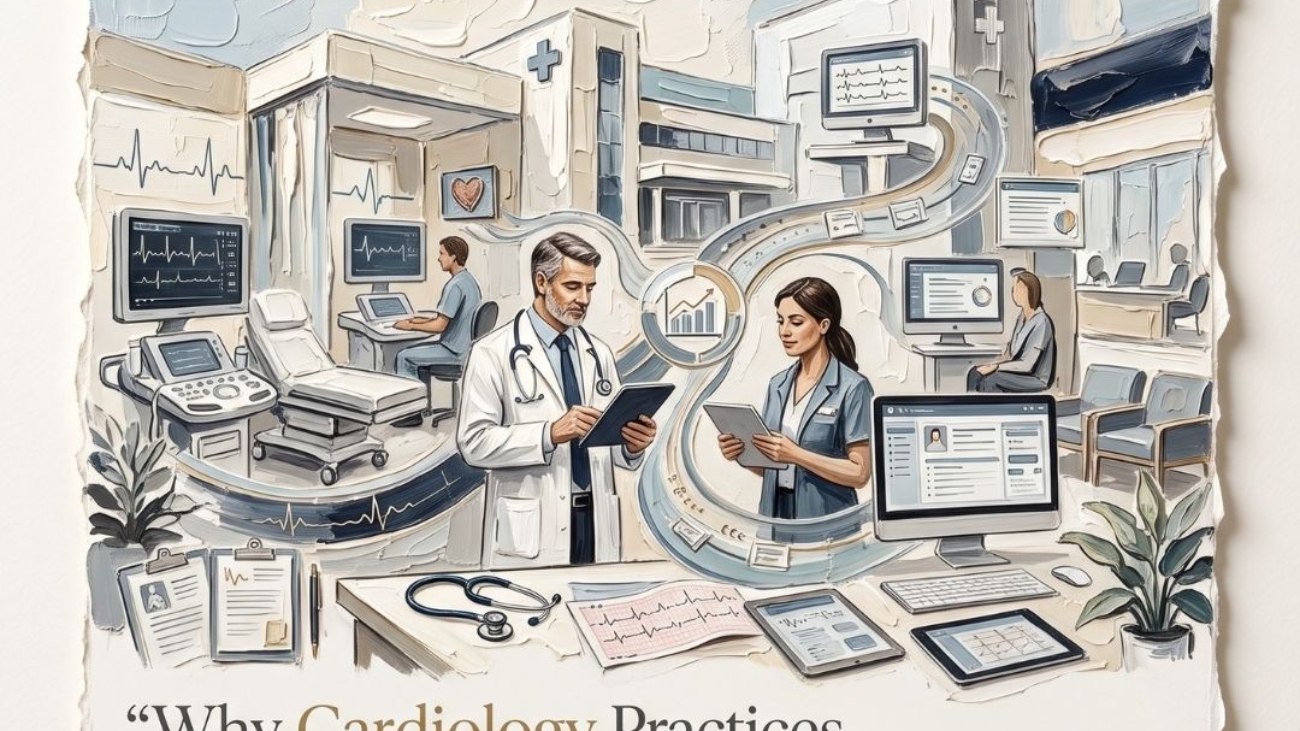
Cardiology revenue cycle management specialists

Why Cardiology Practices Need Specialized RCM Services

Because cardiac treatment entails complicated procedures, sophisticated diagnostics, stringent paperwork requirements, and ever evolving insurance standards, cardiology clinics need professional Revenue Cycle Management (RCM) services. Accurate coding and billing skills are necessary for services like echocardiograms, cardiac catheterization, stress testing, electrophysiology procedures, and cardiovascular imaging. Cardiology practices may experience revenue loss, delayed payments, and claim denials in the absence of effective RCM management. In addition to improving payment accuracy and streamlining financial processes, specialized cardiac RCM solutions free up physicians to concentrate more on patient care. 

Complex Cardiology Billing Requires Specialty Expertise 

Because cardiology billing requires numerous procedures, specific codes, and extensive documentation requirements, it is more complex than standard medical billing. To guaranty correct reimbursement, many cardiac services need precise CPT, ICD-10, and modifier usage. Understanding cardiology-specific billing regulations, a trained RCM team assists in avoiding coding mistakes that may result in underpayments or rejected claims.

Accurate Coding Improves Revenue Performance 

For the cardiology revenue cycle to be successful, accurate medical coding is essential. Inaccurate coding is a frequent problem since cardiology treatments frequently include intricate combinations of services. Clinical documentation is examined by specialized RCM providers, who also apply the proper codes and make sure claims appropriately reflect the services rendered. This helps cardiology offices get the reimbursement they are due and increases claim acceptance rates. 

Reducing Cardiology Claim Denials 

A significant financial obstacle for cardiology practices is claim denials. Inaccurate coding, missing documentation, permission problems, and payer-specific restrictions are common causes. Proactive denial management techniques are used by specialized RCM services to find common issues, fix mistakes, and stop rejections in the future. Reducing denials decreases revenue leakage and enhances cash flow.

Managing Prior Authorization Challenges 

Prior authorization is required for a number of cardiac operations, particularly advanced diagnostic testing and specialist therapies. Procedures may be delayed and claims may be rejected as a result of delays or missing approvals. By monitoring payer requirements, presenting required paperwork, and guaranteeing timely approvals, specialized RCM teams assist in managing authorization workflows. 

Improving Insurance Verification Processes 

Preventing billing problems requires accurate insurance verification. Because cardiology procedures can be expensive, it’s critical to verify patient eligibility, coverage information, and benefit restrictions prior to treatment. Accurate insurance information verification, lower claim rejection risks, and increased patient and provider transparency are all made possible by specialized RCM services.

Enhancing Documentation and Compliance 

In order to prove medical necessity and guaranty successful reimbursement, proper documentation is required. Diagnoses, treatments, test results, and treatment plans must all be meticulously documented in cardiology offices. Specialized RCM teams assist in evaluating the quality of documentation and guaranty that billing procedures adhere to payer and healthcare requirements. This increases revenue cycle efficiency and lowers compliance risks. 

Improving Accounts Receivable Management 

The financial stability of cardiology clinics may be impacted by late payments and unpaid claims. Through claim follow-ups, payment tracking, and aging analysis, specialized RCM services offer organized accounts receivable administration. This enhances overall cash flow and expedites the recovery of outstanding payments. Efficient revenue collection is ensured by effective AR management.

Using Technology for Better Revenue Cycle Management 

Through automation, analytics, and real-time reporting, advanced RCM technology helps cardiology offices increase productivity. Payment monitoring, eligibility verification, denial analysis, and claim tracking are all supported by automated systems. RCM solutions powered by technology improve financial performance insight and assist practices in making wise choices. 

Allowing Providers to Focus on Patient Care 

Healthcare providers and administrative teams may have to spend a lot of time managing billing procedures internally. Complex financial procedures, such as coding, claims, denials, and payment follow-ups, are managed by specialized RCM services. Cardiology professionals can concentrate more on providing high-quality cardiac care and enhancing patient outcomes by decreasing their administrative burden.

Conclusion 

Because they handle the particular difficulties of cardiac billing, coding, documentation, and payment, specialized RCM services are crucial for cardiology practices. Specialized RCM providers assist lower denials, enhance cash flow, and increase revenue with their in-depth understanding, cutting-edge technology, and effective revenue cycle tactics. Cardiology practices might improve their financial performance while concentrating on their main objective of offering top-notch patient care by collaborating with seasoned RCM specialists. 

Frequently Asked Questions

1. Why do cardiology practices need specialized RCM services?

Cardiology practices need specialized RCM services because cardiac procedures involve complex coding, documentation requirements, and insurance processes that require expert billing knowledge.

2. How can specialized RCM reduce cardiology claim denials?

Specialized RCM reduces denials through accurate coding, documentation review, authorization management, and proactive denial prevention strategies.

3. What services are included in cardiology RCM?

Cardiology RCM includes insurance verification, medical coding, claim submission, denial management, payment posting, accounts receivable follow-up, and reporting.

4. How does RCM improve cardiology practice revenue?

RCM improves revenue by reducing billing errors, speeding up reimbursements, recovering unpaid claims, and improving overall billing efficiency.

5. Can cardiology RCM services improve compliance?

Yes, specialized RCM services help maintain compliance by following updated coding guidelines, payer requirements, and healthcare billing regulations.

Strategies to Improve Emergency Department Cash Flow

Strategies to Improve Emergency Department Cash Flow

While patient care is the primary focus of emergency departments’ fast-paced operations, long-term sustainability also depends on maintaining a strong financial flow. Revenue cycle issues might be brought on by high patient volumes, complicated treatments, insurance issues, and pressing billing needs. Financial performance may be adversely affected by delayed reimbursements, denied claims, and problems with documentation. Emergency departments can enhance payment collection, minimize financial delays, and sustain a steady cash flow by putting into practice efficient revenue cycle tactics. 

Improve Patient Registration Accuracy 

A robust emergency department revenue cycle is built on accurate patient registration. Claim denials and payment delays may arise from inaccurate patient information, missing insurance details, or inadequate demographic data. Establishing effective registration procedures aids in gathering precise data at the start of the patient journey. Increased data accuracy lowers billing errors and increases the likelihood that a claim will be processed successfully.

Strengthen Insurance Verification Processes 

Patients with various health plans and coverage criteria are frequently treated in emergency rooms. Before filing claims, confirming insurance status and benefits might assist spot possible payment problems. A robust verification procedure guaranties precise coverage information, lowers the number of denied claims, and enhances financial transparency. Automated eligibility checks can minimize manual labor and expedite the verification process even more. 

Focus on Accurate Medical Coding 

Precise coding is necessary for a variety of treatments, procedures, and diagnostic services that are part of emergency care. Reduced reimbursements and claim denials may result from incorrect CPT, ICD-10 codes, or modifiers. Billing accuracy is increased by ensuring correct medical coding through qualified specialists and frequent coding reviews. Emergency departments are better able to get paid for the services they perform when proper coding is used.

Reduce Claim Denials Through Proactive Management 

Due to payment delays and more administrative work, claim denials have a direct impact on the cash flow of emergency departments. Inaccurate coding, insufficient paperwork, eligibility issues, and missing permission data are common causes for denial. A proactive denial management approach finds prevalent problems, fixes mistakes, and stops them from happening again. Reducing denials speeds up payments and enhances revenue recovery.

Improve Documentation Quality  

For emergency department reimbursement, accurate and comprehensive documentation is necessary. Medical records must clearly support the services delivered and indicate medical necessity. Payment rejection or claim delays may arise from missing information in patient records. Enhancing documentation procedures lowers compliance-related risks and ensures claims are processed efficiently.

Optimize Accounts Receivable Management 

Maintaining the financial flow of the emergency department depends heavily on efficient accounts receivable administration. Financial stability may be impacted by unpaid claims, postponed insurance payments, and outstanding liabilities. Faster revenue recovery is facilitated by prompt follow-ups, payment tracking, and routine monitoring of outstanding claims. Payment delays are decreased and collections are enhanced via an organized AR management procedure. 

Use Automation and Technology Solutions 

Emergency departments can increase financial performance and streamline revenue cycle processes with the use of technology. Insurance verification, claim tracking, payment posting, denial analysis, and reporting can all be supported by automated systems. Before claims are filed, AI-powered solutions can spot any billing problems. Utilizing technology increases productivity, lowers manual error rates, and improves revenue performance visibility.

Improve Prior Authorization Management 

Certain procedures may require authorization, even though emergency care frequently calls for prompt treatment. Reimbursement issues may arise from delays or missing approvals. Maintaining documentation, keeping track of requirements, and avoiding needless claim difficulties are all made easier with an appropriate permission management procedure. Improved cash flow and more seamless billing processes are supported by better authorization handling. 

Enhance Patient Payment Collection 

Higher out-of-pocket expenses and evolving insurance policies have increased patient responsibility. By offering precise cost estimates, easy payment methods, and transparent billing information, emergency rooms can increase collections. Transparent communication enhances the payment experience and helps patients comprehend their financial obligations. Increased overall revenue is supported by improved patient payment strategies.

Monitor Revenue Cycle Performance Metrics 

Emergency departments can find opportunities for improvement and financial challenges by monitoring important revenue cycle metrics. Days in accounts receivable, reimbursement turnaround time, denial percentages, and claim approval rates are all significant metrics. Regular performance analysis allows organizations to make informed decisions and improve billing efficiency. Data-driven management leads to stronger financial outcomes. 

Conclusion 

Accurate billing procedures, effective claim handling, robust documentation, and cutting-edge technological solutions are all necessary to improve emergency department revenue flow. Emergency departments can attain quicker reimbursements and improved financial stability by lowering denials, increasing coding accuracy, streamlining revenue cycle operations, and optimizing accounts receivable. Healthcare providers can concentrate on their main objective of providing prompt, high-quality emergency care by practicing effective cash flow management. 

Frequently Asked Questions

1. Why is cash flow management important for emergency departments?

Cash flow management helps emergency departments maintain financial stability, manage operational costs, and ensure continuous delivery of quality patient care.

2. What are the main reasons for poor emergency department cash flow?

Common reasons include claim denials, coding errors, delayed reimbursements, incomplete documentation, and insurance verification issues.

3. How can emergency departments reduce claim denials?

Emergency departments can reduce denials through accurate coding, complete documentation, proper eligibility verification, and proactive denial management.

4. How does technology improve emergency department cash flow?

Technology improves cash flow by automating billing processes, tracking claims, identifying errors, and improving revenue cycle efficiency.

5. Can outsourcing RCM improve emergency department revenue?

Yes, specialized RCM services can help emergency departments improve billing accuracy, reduce denials, accelerate reimbursements, and optimize cash flow.

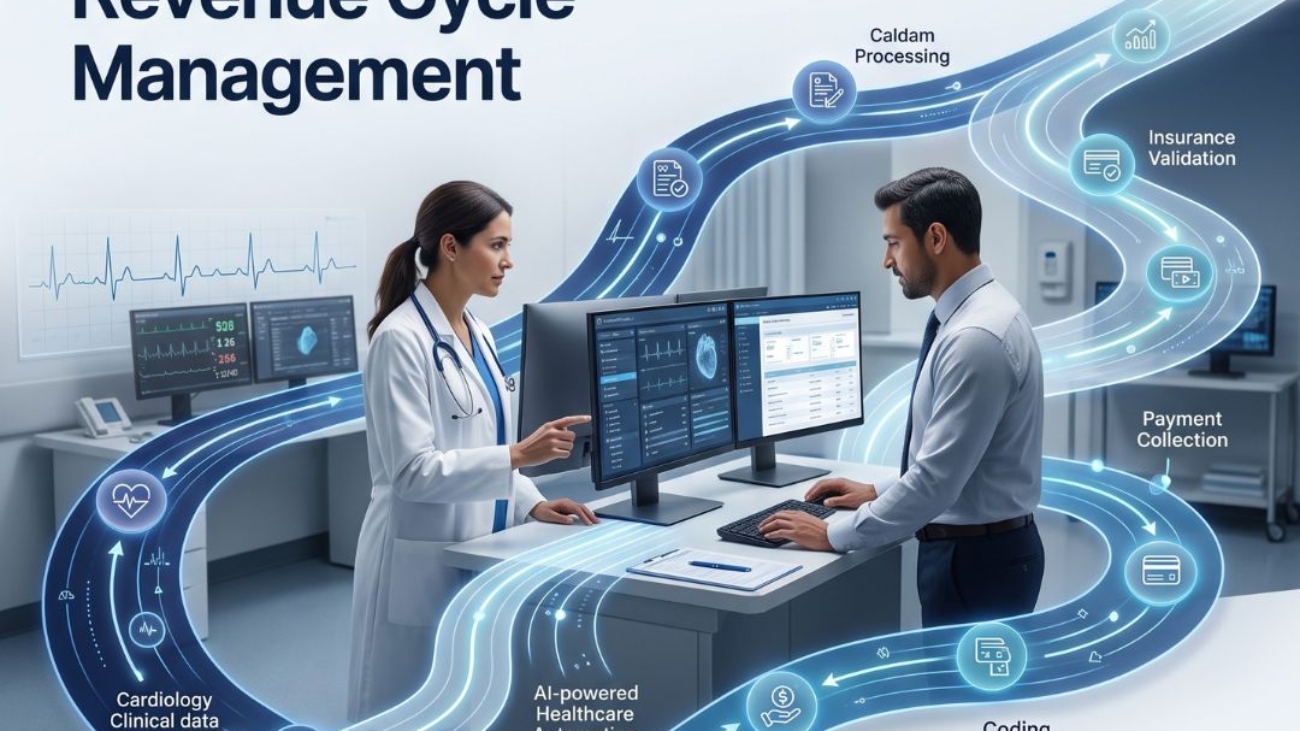
Automated cardiology revenue cycle management system

How Automation Is Transforming Cardiology Revenue Cycle Management

Automation is revolutionizing the revenue cycle management for cardiologists by making the billing operations faster, accurate and efficient. Cardiology practices perform complex procedures like cardiac imaging, catheterization, electrophysiology services, and chronic care management. These procedures require accurate coding and documentation. Manual billing processes are prone to errors, delays in claims and administrative challenges. The automation allows cardiology providers to improve workflows, increase claim accuracy, decrease denials and have a more robust revenue cycle, while giving healthcare teams more time for patient care. 

Automated Medical Coding Improves Billing Accuracy 

Cardiology billing is no different as it requires a thorough knowledge of CPT codes, ICD-10 codes, modifiers, and payer-specific guidelines. Manual coding errors can lead to claim rejection, payment delays or compliance issues. Automated coding solutions analyze clinical documentation and assist in assigning appropriate codes for services provided. This results in better billing accuracy, fewer human errors and ensures cardiology practices are adequately reimbursed for their services.

Automated Claim Processing Speeds Up Reimbursements 

It also assists cardiology practices in improving the claim submission process by reviewing the claims before sending them to insurance providers. The automation systems can highlight missing information, wrong coding details, and even possible errors that may cause rejection. Clean claims submission results in higher approval rates and less reimbursement delays. Faster claims processing means better cash flow and improved financial stability.  

Reducing Cardiology Claim Denials Through Automation 

Denials are one of the biggest challenges in managing the cardiology revenue cycle. Common reasons for denial that can be flagged by automation include coding errors, insufficient documentation, authorization problems and payer-specific rules. Automated denial tracking systems analyze patterns in rejections and provide insights so that future mistakes can be avoided. This enables billing teams to fix issues faster and recoup lost revenue more effectively.

Streamlining Insurance Verification and Eligibility Checks 

Insurance verification is an important step to avoid billing issues. Procedures in cardiology typically involve costly diagnostic tests and treatments, necessitating accurate coverage information. Automated eligibility verification tools quickly verify patient insurance, benefits and coverage requirements. This reduces manual effort, prevents unexpected claims issues and improves the overall patient billing experience.” 

Improving Prior Authorization Management 

Several cardiology procedures require prior authorization before treatment. Manual approval management can cause delays and missed requirements. Automation helps to track authorization requests, to monitor approval status and to ensure required documents are submitted on time. A simpler authorization process reduces procedural delays and claim denials due to missing approvals.

Enhancing Documentation Review 

Cardiology Reimbursement Needs Complete and Accurate Documentation Automation tools can scan through medical records to point out missing information that is needed to support claims. These systems help to ensure proper documentation of diagnosis information, procedure notes and medical necessity requirements. Good documentation leads to better claim acceptance and lesser compliance risks. 

Using Data Analytics for Better Revenue Decisions 

Automation helps advanced analytics deliver critical information to cardiology practices about their revenue cycle. Automated systems can track denial trends, reimbursement patterns, payment timelines and accounts receivable performance. These insights inform practice managers about the challenges they face, improve workflows, and make data-driven decisions. Better visibility into revenue performance supports long-term financial growth.

Reducing Administrative Workload 

Manual billing activities such as claim tracking, payment posting, follow-ups, and reporting require significant time and resources. Automation handles repetitive tasks more efficiently, allowing billing teams to focus on complex issues that need human expertise. Reduced administrative workload improves productivity and helps cardiology practices operate more efficiently. 

Improving Compliance and Security 

Healthcare billing must strictly comply with regulations and data protection standards. Automated RCM systems also help in maintaining accurate records, following billing activities and help in safe data management. Automation reduces manual errors and increases process consistency, enabling cardiology practices to meet compliance and reduce financial risk.

The Future of Automation in Cardiology RCM 

The future of cardiology revenue cycle management will continue to trend toward intelligent automation powered by artificial intelligence, machine learning, and advanced analytics. These technologies will help practices predict claim issues, improve decision-making and create more personalized revenue strategies. As cardiology services grow more complex, automation will increasingly help improve efficiency and financial performance. 

Conclusion 

By increasing accuracy, lowering administrative difficulties, and speeding up reimbursement procedures, automation is transforming cardiology revenue cycle management. Technology makes it easier for cardiology practices to handle complicated billing requirements, from automated coding and claim processing to denial prevention and analytics. Cardiology providers can lower operating costs, increase revenue performance, and concentrate more on providing high-quality patient care by implementing automation solutions. 

Frequently Asked Questions

1. How does automation improve cardiology revenue cycle management?

Automation improves cardiology RCM by streamlining billing processes, reducing errors, improving claim accuracy, and speeding up reimbursements.

2. Can automation reduce cardiology claim denials?

Yes, automation helps identify coding errors, missing documentation, authorization issues, and payer-related problems before claims are submitted.

3. What cardiology billing tasks can be automated?

Tasks such as insurance verification, coding assistance, claim processing, payment tracking, denial analysis, and reporting can be automated.

4. How does automation benefit cardiology billing teams?

Automation reduces repetitive manual tasks, improves productivity, and allows billing teams to focus on complex revenue cycle challenges.

5. Will automation replace medical billing professionals?

Automation will not replace billing professionals but will support them by improving efficiency and allowing them to focus on decision-making and complex billing activities.