
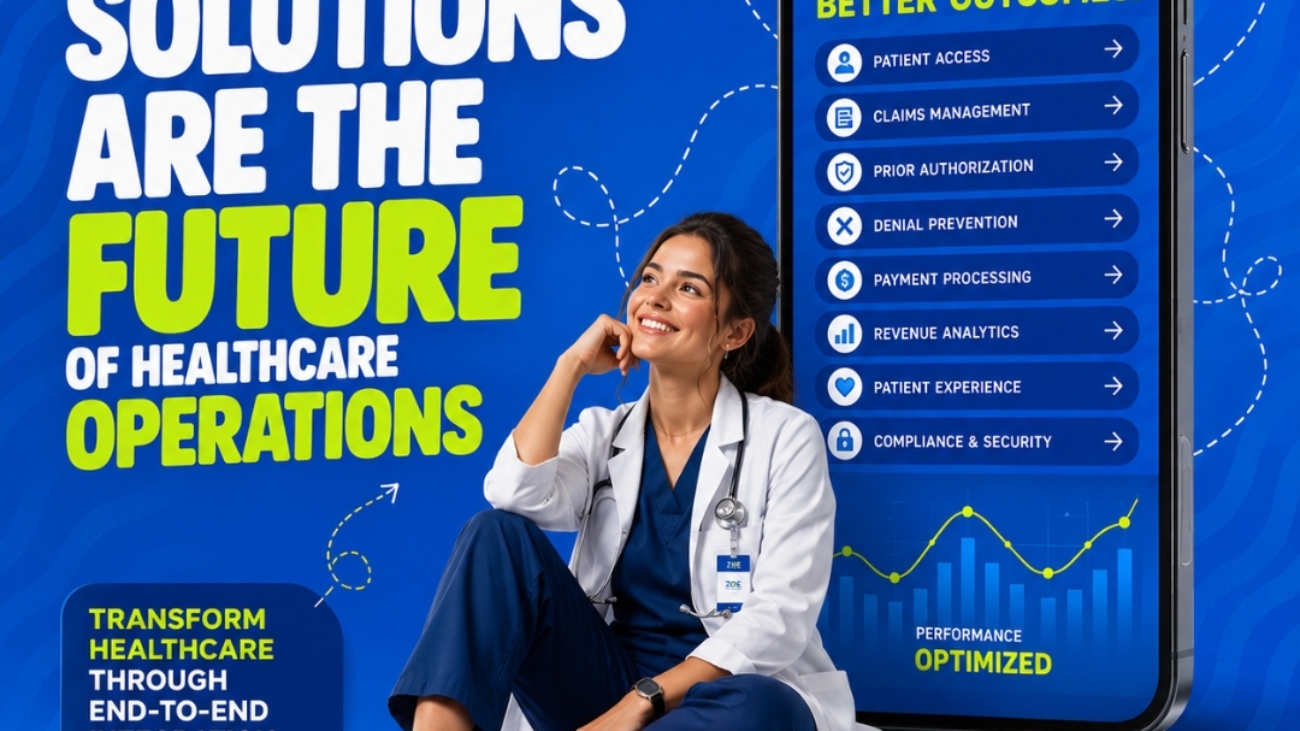
AI in Infusion Centers

AI in Infusion Centers: Compliance Risks, HIPAA Challenges 2026

Artificial Intelligence is rapidly becoming a cornerstone of healthcare operations across the United States. From automating prior authorizations and clinical documentation to improving billing accuracy and patient scheduling, AI is helping healthcare providers operate more efficiently than ever before.

For infusion centers and specialty infusion providers, the benefits are particularly attractive. Staffing shortages, rising administrative burdens, reimbursement challenges, and increasing patient volumes have created strong demand for automation solutions.

However, while AI can streamline operations, it also introduces significant compliance, legal, and financial risks. Many infusion providers have embraced AI technologies without implementing the governance frameworks necessary to ensure regulatory compliance. As a result, organizations may unknowingly expose themselves to HIPAA violations, billing fraud allegations, state regulatory penalties, and transaction-related liabilities.

In 2026, AI adoption is no longer the primary challenge. AI governance is.

Why Infusion Providers Are Embracing AI

The infusion industry has become increasingly complex over the last several years. Specialty medications, biologics, immunotherapies, and advanced infusion treatments require extensive documentation, payer approvals, and reimbursement management.

To address these challenges, providers are turning to AI-powered solutions for:

  • Prior authorization management
  • Clinical documentation assistance
  • Revenue cycle optimization
  • Claims review and denial prevention
  • Patient scheduling and capacity management
  • Operational workflow automation

These technologies help reduce administrative workloads, improve reimbursement performance, and increase patient throughput. For infusion centers operating on tight margins, AI can deliver measurable operational advantages.

But efficiency gains should never come at the expense of compliance.

The Growing Compliance Risk Behind Healthcare AI

Many healthcare organizations assume that purchasing a reputable AI platform automatically addresses regulatory concerns. Unfortunately, that assumption can create serious exposure.

Every AI tool that accesses patient information, influences clinical decisions, or supports billing activities falls within a highly regulated environment.

Healthcare organizations remain legally responsible for:

  • Protecting patient data
  • Maintaining billing accuracy
  • Ensuring appropriate clinical oversight
  • Meeting federal and state regulatory requirements

If an AI tool generates inaccurate documentation, recommends incorrect coding, or improperly handles protected health information, liability remains with the provider.

Regulators are increasingly focusing on how healthcare organizations deploy AI, not simply whether they use it.

The FDA’s AI Line That Providers Cannot Ignore

One of the most important regulatory distinctions involves how AI participates in clinical decision making.

Federal regulators generally differentiate between AI systems that assist clinicians and AI systems that effectively replace clinical judgment.

AI that helps healthcare professionals review information and make decisions typically carries fewer regulatory concerns. However, AI systems that independently recommend treatments, modify care plans, or make clinical decisions without meaningful human review may face greater regulatory scrutiny.

For infusion providers, this distinction matters.

An AI platform that highlights potential drug interactions for review may be considered a support tool. An AI system that automatically selects treatment pathways or recommends dosage adjustments without clinician oversight could create significant compliance and liability concerns.

Providers should regularly evaluate how clinicians actually use AI tools in practice rather than relying solely on vendor marketing claims.

HIPAA Compliance Still Applies to Every AI System

One common misconception is that emerging AI technologies operate under different privacy standards.

They do not.

If an AI platform accesses, stores, processes, or transmits protected health information, HIPAA requirements fully apply.

Infusion providers should focus on several critical areas:

Business Associate Agreements

Every AI vendor handling protected health information should have a properly executed Business Associate Agreement before implementation.

Data Usage Restrictions

Providers should verify that vendors are not using patient information to train AI models without proper authorization and legal safeguards.

Audit Logging

Organizations must maintain detailed records showing who accessed patient information, what actions were taken, and when those activities occurred.

Minimum Necessary Access

AI tools should only access the specific information required to perform their intended function.

Failure in any of these areas can result in significant compliance violations and financial penalties.

Prior Authorization AI Creates New Legal Challenges

Prior authorization remains one of the most frustrating administrative burdens in specialty infusion therapy.

AI solutions promise faster submissions, improved documentation, and higher approval rates. While these benefits are valuable, they introduce unique legal considerations.

Many insurance companies now use AI-driven systems to review and process authorization requests. At the same time, several states have introduced laws requiring human oversight when AI influences coverage decisions.

For infusion providers, understanding these developments can improve appeal success rates and strengthen reimbursement strategies.

On the provider side, AI-generated authorization documentation must be carefully reviewed. Small documentation errors can quickly become large-scale compliance issues if they are repeated across hundreds or thousands of submissions.

Automation increases efficiency, but it can also scale mistakes.

Revenue Cycle AI Can Increase False Claims Exposure

Revenue cycle management has become one of the fastest-growing applications of healthcare AI.

Modern platforms can:

  • Predict claim denials
  • Recommend coding improvements
  • Identify reimbursement opportunities
  • Automate billing workflows

While these capabilities can improve financial performance, they also create risk.

If AI-generated coding recommendations result in inaccurate claims or unsupported documentation, providers may face allegations under federal fraud and abuse laws.

Healthcare organizations cannot rely on “the software made the mistake” as a legal defense.

Human review remains essential for billing activities that impact reimbursement.

State AI Regulations Are Expanding Rapidly

Federal agencies continue to develop guidance around healthcare AI, but many states are moving even faster.

Across the United States, lawmakers are introducing legislation governing:

  • AI transparency
  • Automated decision making
  • Healthcare chatbot disclosures
  • Patient privacy protections
  • Clinical AI oversight

For infusion providers operating in multiple states, compliance is becoming increasingly complex.

What is permissible in one state may trigger additional obligations in another.

Organizations should monitor evolving state regulations and update governance programs accordingly.

AI Due Diligence Is Becoming a Deal Breaker

Private equity firms, healthcare investors, and strategic buyers are paying close attention to AI governance during acquisitions and investments.

Organizations seeking growth capital or exploring strategic transactions should expect detailed questions regarding:

  • AI vendor relationships
  • HIPAA compliance documentation
  • Data governance policies
  • Clinical oversight procedures
  • Billing controls
  • Patient consent processes

Providers that cannot demonstrate effective AI governance may face reduced valuations, expanded indemnification requirements, or delays during transaction negotiations.

Strong governance is increasingly viewed as a business asset rather than a compliance burden.

How Infusion Providers Can Protect Themselves

As AI adoption accelerates, infusion providers should take proactive steps to reduce risk and strengthen compliance.

Create a Complete AI Inventory

Identify every AI tool used across clinical, administrative, scheduling, pharmacy, and revenue cycle operations.

Review Vendor Agreements

Ensure every vendor handling protected health information has appropriate contractual protections and HIPAA compliance provisions.

Establish Human Oversight

Maintain documented review processes for AI-generated clinical recommendations, coding suggestions, and billing decisions.

Develop an AI Governance Policy

Create written policies addressing AI evaluation, implementation, monitoring, security, and incident response.

Monitor Regulatory Changes

Track both federal guidance and state-specific AI regulations that may impact operations.

The Future of AI in Infusion Care

Artificial intelligence has enormous potential to improve efficiency, reduce administrative burden, and enhance financial performance across infusion operations.

However, successful adoption requires more than purchasing software.

The organizations that thrive in the coming years will be those that combine innovation with accountability. By implementing strong governance frameworks today, infusion providers can leverage AI safely, maintain regulatory compliance, protect patient trust, and position themselves for long-term growth in an increasingly digital healthcare environment.

Frequently Asked Questions (FAQs)

1. How is AI being used in infusion centers?

AI is commonly used for prior authorization management, clinical documentation, patient scheduling, claims analysis, denial prevention, and revenue cycle optimization.

2. Does HIPAA apply to AI healthcare tools?

Yes. Any AI system that accesses, stores, processes, or transmits protected health information must comply with HIPAA regulations.

3. Can AI make clinical decisions without physician review?

Healthcare providers should ensure meaningful human oversight remains part of the clinical decision-making process. Fully autonomous clinical decisions can create regulatory and liability concerns.

4. Why are AI vendor agreements important?

Vendor agreements help define data privacy obligations, HIPAA compliance responsibilities, audit requirements, and restrictions on how patient information is used.

5. Can AI increase billing compliance risks?

Yes. Incorrect AI-generated coding recommendations or documentation errors can create billing inaccuracies and potential fraud and abuse exposure.

6. Why is AI governance important during healthcare acquisitions?

Investors and buyers increasingly evaluate AI compliance, privacy controls, and governance frameworks during due diligence because these factors can impact valuation and transaction risk.

Medical Billing Automation in 2026

Medical Billing Automation in 2026

Healthcare providers across the United States are facing growing pressure to reduce administrative costs while improving reimbursement performance. Rising claim volumes, increasing payer complexity, staffing shortages, and stricter compliance requirements have made traditional billing processes difficult to sustain.

In 2026, medical billing automation has emerged as one of the most significant transformations in healthcare revenue cycle management. What was once considered a future innovation is now becoming a standard operational requirement for physician practices, hospitals, specialty clinics, and healthcare organizations nationwide.

Organizations that embrace automation are experiencing faster reimbursements, fewer claim denials, reduced administrative workloads, and improved financial performance. Those that continue relying heavily on manual processes risk falling behind in an increasingly competitive healthcare environment.

What Is Medical Billing Automation?

Medical billing automation refers to the use of advanced software, artificial intelligence, machine learning, and workflow automation tools to perform billing and revenue cycle tasks with minimal human intervention.

Instead of manually reviewing claims, verifying insurance coverage, posting payments, and managing denials, automated systems can perform these functions more efficiently while maintaining compliance and accuracy.

Modern billing automation solutions can:

  • Verify insurance eligibility automatically
  • Process prior authorizations electronically
  • Scrub claims for errors before submission
  • Predict denial risks
  • Automate payment posting
  • Reconcile reimbursements
  • Manage patient billing communications
  • Support collections and payment plans

The goal is simple: reduce repetitive administrative work and allow healthcare teams to focus on patient care and higher value revenue cycle activities.

Why Automation Matters More Than Ever in 2026

Healthcare providers across the United States continue to face significant operational challenges.

Industry studies show that administrative costs account for a substantial portion of healthcare spending, with revenue cycle activities consuming valuable staff resources. At the same time, healthcare organizations are struggling with workforce shortages, making efficiency improvements a top priority.

Automation addresses these challenges by delivering:

  • Faster claims processing
  • Reduced operational costs
  • Improved billing accuracy
  • Better cash flow
  • Higher patient satisfaction
  • Increased staff productivity

As reimbursement models become more complex, automation is becoming essential rather than optional.

Automated Eligibility Verification Is Eliminating Front Office Delays

Insurance eligibility verification has traditionally been one of the most time consuming tasks in the patient registration process.

Staff members often spend valuable time contacting insurance companies, confirming benefits, reviewing deductibles, and checking coverage limitations. Even small mistakes can result in claim denials and delayed payments.

Automated eligibility verification systems now connect directly with payer databases and provide real time information, including:

  • Active coverage status
  • Deductible balances
  • Copayment responsibilities
  • Coverage limitations
  • Coordination of benefits information

Many practices now perform eligibility checks automatically when appointments are scheduled, significantly reducing administrative burdens and improving claim acceptance rates.

Prior Authorization Automation Is Speeding Up Approvals

Prior authorizations remain one of the biggest administrative challenges in healthcare.

Manual authorization requests often involve multiple phone calls, paperwork submissions, and lengthy follow ups. Delays can negatively impact patient care and revenue cycle performance.

Modern automation platforms streamline this process by:

  • Submitting authorization requests electronically
  • Tracking authorization status in real time
  • Sending automated notifications
  • Managing payer specific requirements
  • Reducing approval turnaround times

In many cases, authorization decisions that once required several days can now be completed within hours.

AI Powered Claim Scrubbing Is Reducing Denials

Claim errors remain one of the leading causes of payment delays and denials.

Advanced claim scrubbing technology has evolved far beyond simple coding validation. Today’s AI driven systems can analyze claims using sophisticated payer rules and historical denial patterns.

These systems automatically identify:

  • Coding inconsistencies
  • Modifier errors
  • Missing documentation
  • Medical necessity issues
  • Payer specific submission requirements

By correcting issues before submission, healthcare organizations can dramatically reduce first pass denial rates and improve reimbursement timelines.

Denial Management Is Becoming Smarter Through Artificial Intelligence

Denials represent a significant source of lost revenue for healthcare providers.

Traditionally, billing teams manually reviewed denial reasons, gathered supporting documentation, prepared appeals, and tracked outcomes. This process required substantial labor and often delayed revenue recovery.

Artificial intelligence is transforming denial management by:

  • Identifying denial trends
  • Prioritizing high value appeals
  • Recommending corrective actions
  • Generating appeal drafts
  • Matching supporting clinical documentation
  • Tracking appeal success rates

These capabilities allow billing teams to resolve denials faster while focusing their expertise on more complex reimbursement challenges.

Automated Payment Posting Improves Financial Accuracy

Payment posting is another area where automation delivers measurable benefits.

Manual payment posting often involves reviewing electronic remittance advice files, matching payments to claims, applying adjustment codes, and identifying discrepancies.

Automation can perform these tasks with greater speed and consistency by:

  • Importing remittance data automatically
  • Matching payments to claims
  • Applying contractual adjustments
  • Identifying exceptions for review
  • Updating patient balances

This reduces data entry errors and provides healthcare organizations with more accurate financial reporting.

Revenue Recovery Through Automated Reconciliation

Many healthcare providers unknowingly lose revenue due to payer underpayments.

Manual reconciliation processes rarely identify every discrepancy because of the sheer volume of claims and payments being processed.

Automated reconciliation systems compare actual payments against contracted reimbursement rates and flag:

  • Underpayments
  • Missing payments
  • Incorrect adjustments
  • Contract compliance issues

This allows providers to recover revenue that might otherwise remain unnoticed and uncollected.

Patient Billing Automation Is Improving Collections

Patients today expect healthcare billing experiences that are similar to online banking and ecommerce platforms.

Automated patient billing solutions support:

  • Digital statements
  • Email and text notifications
  • Online payment portals
  • Automated payment plans
  • Recurring payment options
  • Balance reminders

These features improve patient engagement while increasing collection rates and reducing reliance on collection agencies.

What Human Experts Still Bring to the Table

Despite rapid advancements, automation cannot replace experienced billing professionals entirely.

Complex appeals, unique clinical scenarios, payer disputes, and regulatory interpretation often require human judgment and expertise.

The most successful healthcare organizations are not replacing people with automation. Instead, they are combining automation with skilled revenue cycle professionals to create stronger, more efficient billing operations.

Automation handles routine tasks while experts focus on strategic decision making, compliance oversight, and complex problem solving.

The Future of Medical Billing Has Already Arrived

Medical billing automation is no longer an emerging trend. It is rapidly becoming the foundation of modern revenue cycle management.

Healthcare organizations that invest in automation today are positioning themselves for stronger financial performance, greater operational efficiency, and improved patient experiences.

As healthcare reimbursement continues to evolve in 2026 and beyond, automation will play an increasingly critical role in helping providers maintain profitability while delivering high quality patient care.

The question is no longer whether healthcare organizations should automate their billing operations. The question is how quickly they can adapt before competitors gain a significant advantage.

Frequently Asked Questions (FAQs)

1. What is medical billing automation?

Medical billing automation uses software, artificial intelligence, and workflow technologies to automate billing tasks such as eligibility verification, claims processing, payment posting, and denial management.

2. How does automation reduce claim denials?

Automation identifies coding errors, missing documentation, payer specific requirements, and compliance issues before claims are submitted, reducing the likelihood of rejection.

3. Can AI completely replace medical billers?

No. AI can automate repetitive tasks, but experienced billing professionals are still essential for complex appeals, compliance oversight, and payer negotiations.

4. Is billing automation suitable for small medical practices?

Yes. Many cloud based solutions are designed specifically for small and mid sized practices, helping them improve efficiency without large investments.

5. How does automation improve cash flow?

Automation speeds up claims processing, reduces denials, accelerates payment posting, and identifies underpayments faster, leading to quicker reimbursements.

6. What are the biggest benefits of medical billing automation?

Key benefits include improved accuracy, reduced administrative costs, faster reimbursements, higher collection rates, and better patient experiences.

Healthcare professionals using digital technology and modern medical systems to improve patient care and hospital operations.

Current Trends in the Healthcare Industry

The healthcare industry is changing fast due to technology, patient expectations, rising operational demands and the need for better care delivery. Current healthcare trends are all about improving patient outcomes, access, reducing costs, and increasing healthcare operations efficiency. Healthcare providers are harnessing these trends (from telemedicine to artificial intelligence and automation to patient-centered care) to deliver smarter, faster and more reliable services. 

Digital Transformation in Healthcare

One of the most important trends in healthcare is digital transformation. Hospitals and clinics are shifting from manual systems to digital platforms for patient records, appointment scheduling, billing and communications.

Through Electronic Health Records, cloud-based systems and digital dashboards, healthcare providers are able to access patient information quickly and securely. That improves inter-departmental coordination, reduces paperwork and speeds up decision making.

Growth of Telemedicine

Telemedicine has become an important part of modern health care. Now with video calls, mobile apps and online platforms, patients can consult doctors without going to the hospital physically.

This trend increases access to health care, especially for those living in remote areas or with limited schedules. It also reduces waiting time, improves convenience and helps healthcare providers to manage patient consultations more efficiently.

Artificial Intelligence in Healthcare

Artificial Intelligence is transforming healthcare by assisting doctors, hospitals and administrators to make better decisions. AI tools can help with diagnosis, reviewing medical data, predicting patient risks and automating repetitive tasks.

AI also finds use in healthcare operations for billing, claims processing, appointment reminders and patient engagement. This leads to greater accuracy, less manual work and allows healthcare organizations to work more efficiently.

Automation in Healthcare Operations

Automation helps healthcare providers reduce repetitive manual tasks. Now, appointment scheduling, patient registration, medical billing, insurance verification, follow-ups etc. can be automated.

This saves time, minimizes errors and provides healthcare staff with more time to focus on patient care. Automation boosts workflow efficiency and helps healthcare organizations cope with increasing patient volumes.

Patient-Centered Care

Healthcare is changing from provider-centric services to patient-centric care. Today’s patients want clear communication, personalized treatment, transparent billing and easy access to healthcare information.

Patient portals, mobile apps, feedback systems and digital reminders are helping in improving overall patient experience. This trend promotes transparency and helps patients engage better in their own health journey.

Remote Patient Monitoring

The use of remote patient monitoring is on the rise, particularly in the management of chronic diseases. Devices including smartwatches, wearable monitors and connected medical devices are used to track patient health in real time.

Doctors can remotely monitor vital signs, activity levels, blood pressure, glucose levels and other health indicators. This enables early intervention and prevents unnecessary hospital visits.

Data Analytics for Better Decisions

Healthcare organizations are using data analytics to improve patient care and operational efficiency. Data helps to identify patient trends, treatment outcomes, resource utilization and financial performance.

Analytics enables healthcare providers to make informed decisions, improve staffing, reduce costs and improve service quality. Data driven healthcare is rapidly becoming a requirement for long term success.

Cybersecurity and Data Protection

Protecting patient data has become a major priority as healthcare migrates to the digital realm. Hospitals and clinics store medical and financial information so cybersecurity is very important.

To avoid data breaches, healthcare providers are investing in secure systems, encryption, access control and staff training. Strong cyber security helps maintain patient trust and meet regulatory requirements.

Conclusion

The healthcare industry is undergoing rapid evolution with digital transformation, telemedicine, AI, automation, remote monitoring, and patient-centered care. These changes are allowing healthcare organizations to enhance efficiency, reduce costs and provide better patient experiences. The health care providers that adapt to these trends will be better positioned to meet future challenges and grow in the long term. 

FAQs

1. What are the current trends in healthcare?

Current trends include telemedicine, AI, digital transformation, automation, remote patient monitoring, and patient-centered care.

2. How is technology changing healthcare?

Technology improves patient care, reduces manual work, supports faster decisions, and makes healthcare services more accessible.

3. Why is telemedicine important?

Telemedicine allows patients to consult doctors remotely, improving convenience and healthcare access.

4. How does AI help healthcare providers?

AI supports diagnosis, data analysis, billing automation, patient engagement, and operational efficiency.

5. Why is cybersecurity important in healthcare?

Cybersecurity protects sensitive patient data and helps healthcare organizations maintain privacy and trust.